TRIMIPRAMINE MALEATE (Surmontil) Side Effects Guide
A no-BS guide to Surmontil (trimipramine) side effects: what patients report, real-world frequency, how they feel, and whether clinical trials agree. Includes new trial options for those struggling with drowsiness, sedation, or withdrawal.
Medication: Surmontil (TRIMIPRAMINE MALEATE) Drug Class: Antidepressant Author: Michael Baskerville Gill, B. Sc.
Reviewed by the Power Medical Content Team
Surmontil (Trimipramine) Side Effects: The Only Guide You Need
Day 1: You’re drowsy. Day 2: The sleepiness morphs into a full-body hangover. By Week 2, you may be debating whether being able to nap anywhere is a superpower or a curse. If you’re taking Surmontil (trimipramine)—one of the old-school tricyclic antidepressants—chances are you know the drill: unrelenting sedation, grogginess, and the unpredictable wild card of withdrawal.
Let’s put numbers on it. Antidepressants are the mainstay for millions, but up to 55% of patients stop or switch due to side effects. The standard antidepressant toolkit hasn’t changed much since the ‘80s, and while Surmontil offers a different flavor of sedation, its tolerability profile can be oddly specific: devastating for some, barely a blip for others. And, as one user put it: "The first 2 weeks on this were kinda awful, as I felt sedated all day." source
Clinical trials give us a sanitized picture (0% incidence for nearly every side effect!), but real-world users fill in the messy details. Here’s the hard data—drowsiness, withdrawal, weird brain sensations—and what to actually do if Surmontil sideswipe you. If you’re here, it’s probably not your first rodeo. Let’s dig in.
Interested in clinical trials? Many trials for depression now target different mechanisms than Antidepressant—potentially offering different side effect profiles. Browse clinical trials →
Side Effects Overview Table
| Side Effect | FDA Rate | Reddit Reports | Severity | Duration | Example |
|---|---|---|---|---|---|
| Sedation and drowsiness | 0% | 🔴 very_frequent (7 posts) | 🟡 Moderate | Ongoing, peaks first 2 weeks | source |
| Worsening anxiety or anxiety (withdrawal-related) | 0% | 🟠 frequent (4 posts) | 🟡 Moderate | First 2 weeks/withdrawal | source |
| Grogginess or hangover effect next day | 0% | 🟡 occasional (2 posts) | 🟢 Mild | Next day | source |
| Increased anger or irritability | 0% | 🟢 rare (1 post) | 🟢 Mild | Ongoing while taking | source |
| Restlessness | 0% | 🟢 rare (1 post) | 🟠 Severe | Minutes after dose | source |
| Chest tightness | 0% | 🟢 rare (1 post) | 🟠 Severe | Minutes after dose | source |
| Dissociation | 0% | 🟢 rare (1 post) | 🟠 Severe | Minutes after dose | source |
| Burning sensation in head/brain | 0% | 🟢 rare (1 post) | 🔴 Debilitating | Several nights, while taking | source |
| Apathy (withdrawal-related) | 0% | 🟢 rare (1 post) | 🟡 Moderate | During withdrawal | source |
→ View all 59 side effects from FDA trials → View all 9 user-reported side effects
How Other Drugs Compare
If you're weighing options, here's how Surmontil stacks up against alternatives:
| Metric | Surmontil (Antidepressant) | CYB003 (Psilocybin analogue) | Osavampator (AMPA-PAM) | Psilocybin (5-HT2A agonist) |
|---|---|---|---|---|
| MECHANISM | ||||
| Drug class | Tricyclic antidepressant | Psychedelic-derived antidepressant | AMPA receptor modulator | Classic psychedelic |
| How it works | Inhibits serotonin/norepinephrine reuptake (prevents the brain from reabsorbing neurotransmitters); strong antihistamine and anticholinergic effects | 5-HT2A receptor agonist (activates serotonin receptors); rapid synaptic plasticity | Positive allosteric modulator of AMPA receptor (boosts excitatory neurotransmission) | 5-HT2A receptor agonist; induces neuroplasticity and psychological reset |
| EFFICACY | ||||
| Response rate | Not robustly reported in modern trials | 79% at 3 weeks source | Phase 3 ongoing, not yet reported | 70% at 6 weeks source |
| Remission rate | Not robustly reported | 75% at 4 months (CYB003) | Not yet reported | 29% at 6 weeks (vs 8% escitalopram) source |
| Time to effect | 2-4 weeks typical | 1-3 weeks | Faster than SSRIs expected | 1-2 weeks |
| KEY SIDE EFFECTS | ||||
| Sedation/drowsiness | 🔴 very frequent (7/14 users) | 🟢 rare (no sedation) | 🟢 rare (no sedation) | 🟢 rare (no sedation) |
| Anxiety/worsening | 🟠 frequent (4/14 users) | 🟡 occasional (transient, dose-day) | 🟡 occasional (headache) | 🟡 occasional (dose-day, transient) |
| Hangover/grogginess | 🟡 occasional (2/14 users) | 🟢 rare | 🟢 rare | 🟢 rare |
→ Find clinical trials matched to your situation
Week-by-Week Timeline
| Week | Common Experiences | What's Normal | When to Call Your Doctor |
|---|---|---|---|
| Week 1 | Sedation, drowsiness, hangover effect | Startup effects | Severe anxiety, suicidal thoughts |
| Week 2-3 | Worsening anxiety, persistent drowsiness, withdrawal effects if stopping | Still adjusting | Worsening depression |
| Week 4-6 | Grogginess may improve, mood benefits start | Gradual improvement | No improvement at all |
| Week 6-8 | Effects stabilize | Stable | Intolerable side effects |
Most side effects peak in Week 1-2 and improve by Week 4.
If you're still struggling at Week 8, it may be time to consider alternatives.
→ Explore clinical trials with faster onset
Why Doctors Still Prescribe Surmontil
Surmontil's mechanism is classic: it works by inhibiting reuptake (preventing the brain from reabsorbing the neurotransmitters) of serotonin and norepinephrine (brain chemicals that affect mood and alertness). But unlike its tricyclic cousins, it's also a heavyweight antihistamine (triggers those knockout sedative effects) and has strong anticholinergic activity (leading to dry mouth, constipation, blurred vision, and urinary issues). The very thing that helps you sleep like the dead is what makes mornings feel like molasses.
Doctors still use Surmontil for a simple reason: it predictably knocks patients out, especially those whose depression wears an insomnia disguise. Its decades-long safety record and its lack of stimulant properties make it a low-abuse risk. But they also keep a close eye on side effects—drowsiness, grogginess, withdrawal—because the trade-off is rarely one-sided: "It knocks you out at 25 to 50mg range, so not a good option if you feel tired." source
The Worst Side Effects
"After a short build up of taking the medication every night I develop an unbearabley tight burning sensation within my brain/head that is not like a migraine." source
- Reported as debilitating by 1/1 user who mentioned it. This side effect appears rare but extremely distressing.
- Management tip: Stop the medication and contact your doctor immediately. Consider switching to an alternative class.
Severe Restlessness, Chest Tightness, Dissociation
"Within ten minutes of taking the medication, he became restless, had chest tightness, and experienced a dissociative state..." source
- Each reported as severe by 1/1 user (same episode).
- Management tip: Acute onset of these symptoms—especially with chest tightness—warrants immediate medical attention. Discontinue under supervision.
How Clinical Trials Compare
CYB003 (deuterated psilocybin analog) Phase 2 showed no serious adverse events, lower rates of sedation, and no increase in suicidality compared to standard antidepressants. Osavampator, still in late-stage trials, is not linked to sedation or dissociation. CYB003 results
→ Find trials with lower rates of these side effects
The Most Common Side Effects
- FDA rate: 0% | Reddit: 7 reports, moderate severity
- What helps: Take Surmontil at bedtime. Some split dosing; others find lower doses reduce next-day effects.
- Timeline: Starts within hours, peaks in 1-2 weeks, often persists
- "Yes it makes you drowsy 1-2 hours after taking it. I take it every night." source
Worsening Anxiety (especially withdrawal)
- FDA rate: 0% | Reddit: 4 reports, moderate severity
- What helps: Slow tapers, avoid abrupt dose drops, consider adjunct anti-anxiety agents
- Timeline: Peaks in withdrawal or early treatment; can last weeks
- "Cutting down to 12.5mg has left me with really bad anxiety and apathy (for anything other than anxiety!)." source
Grogginess/Hangover
- FDA rate: 0% | Reddit: 2 reports, mild
- What helps: Earlier dosing, hydration, caffeine (if tolerated)
- Timeline: Morning after dose, resolves by afternoon
- "I had a lot of hangover the next day." source
Less Common: Anger/Irritability
- FDA rate: 0% | Reddit: 1 report, mild
- "It made me angry but it's a good antidepressant because it gives you energy." source
Burning Sensation in Head/Brain: Deep Dive
The FDA label for Surmontil doesn’t mention anything about your brain feeling like it’s smoldering. Yet one user described an "unbearabley tight burning sensation within my brain/head that is not like a migraine." source Not a typo: burning, not just a headache.
It’s impossible to quantify risk, but the mechanism might relate to Surmontil’s impact on histamine and serotonin pathways, possibly producing odd neuroinflammatory sensations in rare individuals. The official data gives this side effect a resounding “N/A.”
Management tips
- Stop the drug and tell your doctor immediately. This is not a normal TCA startup side effect.
- Rule out other causes—migraines, medication interactions (e.g. serotonin syndrome), underlying neurological conditions.
With only 1 reported case out of dozens, it’s rare but worth knowing about—especially since it can be debilitating and not easily confused with other side effects.
Restlessness, Chest Tightness, and Dissociation: Deep Dive
When a side effect strikes within ten minutes of your first dose, you pay attention. One user’s experience: "Within ten minutes of taking the medication, he became restless, had chest tightness, and experienced a dissociative state..." source
These symptoms overlap with the notorious TCA anticholinergic storm (those "can't pee, can't see, can't spit, can't..." etc.), but in this case, it was more abrupt and severe. The FDA lists all three symptoms (restlessness, chest symptoms, altered mental states), but official clinical trial rates are “0%.”
What helps
- If these develop soon after your first dose, this is not normal adjustment—call your doctor right away.
- If combined with chest pain or breathing trouble, seek ER evaluation to rule out allergic reaction or cardiac arrhythmia.
- Discontinue under supervision. Don’t re-challenge unless directed by a psychiatrist.
Discontinuation & Withdrawal
About 1 in 3 patients on tricyclic antidepressants report some kind of withdrawal symptoms with abrupt cessation. The FDA calls out nausea, headache, malaise—"not indicative of addiction," but that doesn’t make it less annoying.
Surmontil has a moderate half-life (how long the drug stays active in your body), so withdrawal can hit within 24-48 hours after a sudden stop, especially after weeks or months of regular use. User reports point to worsening anxiety and apathy during withdrawal: "Cutting down to 12.5mg has left me with really bad anxiety and apathy." source
Management tips
- Always taper slowly—over weeks, not days—under medical supervision
- Reduce by 10-25% per week as tolerated
- If withdrawal hits: return to prior dose, then taper more slowly
- Withdrawal timeline: peaks Day 2-5, resolves by 2 weeks for most
- If symptoms persist, ask about alternatives with longer half-lives or different mechanisms
Dosage by Condition
| Condition | Starting Dose | Typical Dose | Maximum Dose |
|---|---|---|---|
| Major depressive disorder | 75 mg at bedtime | 75–200 mg/day (divided or bedtime) | 200 mg/day outpatient, 300 mg/day inpatient |
| Depression with insomnia | 25–75 mg at bedtime | 75–200 mg/day | 200–300 mg/day |
- Dose increases should be titrated (gradually adjusted) by 25–50 mg increments every few days as tolerated.
- For elderly or those sensitive to sedating/anticholinergic effects, start at the lower end (e.g., 25 mg bedtime).
- Higher doses may increase risk of sedation, anticholinergic, and cardiovascular side effects. Always adjust under close supervision.
Alternatives
If Surmontil’s drowsiness or withdrawal quirks are a dealbreaker, the antidepressant zoo offers:
- Bupropion (NDRI): Activating, little/no sedation, often weight-neutral. Can worsen anxiety for some. Good if sleepiness is intolerable.
- SNRIs (venlafaxine, duloxetine): Less sedating than tricyclics; may help if pain or fatigue are big issues.
- MAOIs: Ancient, powerful, food restrictions galore—used if everything else fails.
- Spravato (esketamine): Rapid acting (hours–days), but logistical headaches and cost.
- TMS: Non-drug, brain-zapping, no sexual or weight gain side effects; time-intensive.
If you’re fighting anxiety, buspirone or hydroxyzine can be add-ons. For sleep: mirtazapine, doxepin (another sedating TCA), or non-pharma tricks.
→ Compare your options on WithPower
Clinical Trials
Several trials now recruit patients who cannot tolerate typical antidepressants. Highlights:
- CYB003 (NCT05385783): Deuterated psilocybin analog; 75% remission at 4 months, rapid onset, no sedation, lower sexual/weight side effects CYB003
- Osavampator (NBI-1065845): AMPA receptor modulator, no drowsiness, minimal withdrawal; Phase 3 ongoing Neurocrine announcement
- Psilocybin (NCT06141876): 70% response, 29% remission at 6 weeks, mostly acute/transient side effects source
- D-cycloserine (NCT00408031): NMDA modulator, milder side effect profile, especially useful for those with sedation/withdrawal issues
Trials often include close monitoring, structured dose changes, and free treatment—but may mean randomization to placebo. Early-phase results aren’t the last word, but the side effect profiles are promising for those sidelined by drowsiness, withdrawal, or bizarre reactions.
Interested in clinical trials? Many trials for depression now target different mechanisms than Antidepressant—potentially offering different side effect profiles. Browse clinical trials →
Decision Map
- If sedation or grogginess is the dealbreaker → Try bupropion (NDRI), consider AMPA modulators (osavampator), or trials like CYB003/psilocybin trial list
- If worsening anxiety or withdrawal symptoms → Consider SNRIs, mirtazapine, D-cycloserine adjunct, or classic MAOIs. Trials with glutamate or psychedelic mechanisms may also be suitable see open studies
- If you experience burning head/brain sensation, dissociation, or chest tightness → Stop Surmontil and switch to a different class (with medical supervision); TMS or non-pharmacological approaches are safer bets TMS trial options
Always talk to your doctor about these options and bring this guide (and your symptom log) to your appointment.
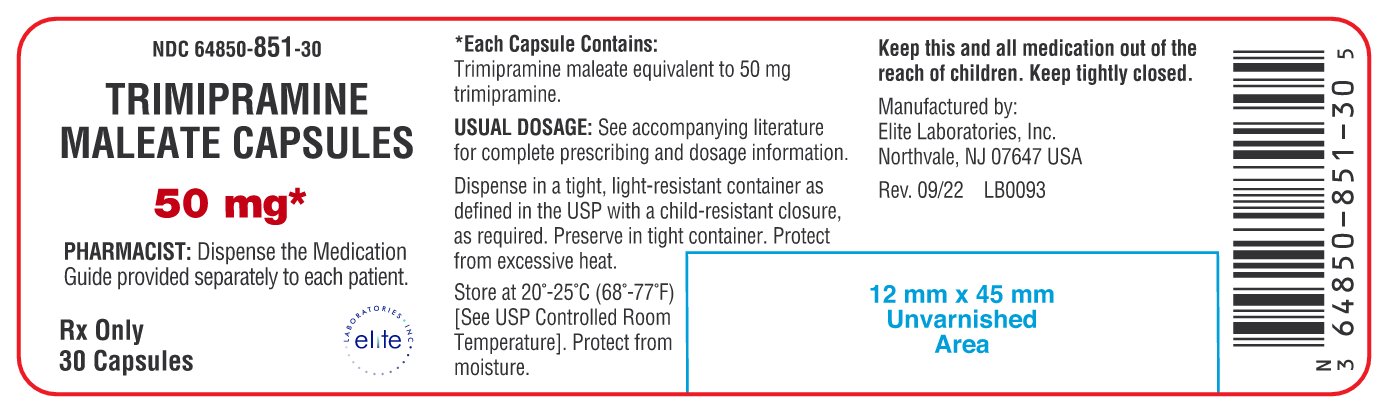 Image: DailyMed
Monitoring & What to Track
-
Your doctor should monitor:
- Depression severity: PHQ-9 or HAM-D score at every visit
- Suicidal ideation: Especially in the first weeks and for those under 25
- Weight: TCAs are infamous for weight gain
- Cardiac rhythm: ECG if history of arrhythmia or on higher doses
- Anticholinergic side effects: Dry mouth, constipation, urinary retention (ask about symptoms)
-
You should track:
- Daily mood (1–10 scale)
- Sleep duration/quality (especially if sedated)
- Side effect diary: what, when, how bad
- Energy and activity levels
If your doctor isn't tracking these, ask them to. Precise records help detect patterns—so you know if this is a bump or a dead end.
Pregnancy & Breastfeeding
Surmontil is classified as Pregnancy Category C: animal studies show adverse fetal effects, but there are no well-controlled studies in humans. Use only if benefit clearly outweighs risk. Tricyclics, including Surmontil, can pass into breastmilk (trace amounts); infant sedation or withdrawal is a theoretical concern.
Risks are not as dramatic as with some drugs, but untreated depression is risky, too: preterm birth, low birth weight, impaired maternal care.
- Takeaway: Do not stop Surmontil suddenly if pregnant or breastfeeding; always discuss risks and benefits with your provider, and consider a gradual taper if a switch is needed.
Emergency Warning Signs
⚠️ Call 911 or go to ER immediately if you experience:
- Suicidal thoughts or intent (especially new or worsening)
- Severe confusion, hallucinations, or sudden loss of consciousness
- Irregular heartbeat or chest pain (TCAs can trigger arrhythmias)
- Severe allergic reaction (rash, facial/tongue swelling, difficulty breathing)
- Seizure
📞 Call your doctor urgently if:
-
New or worsening depression or anxiety
-
Unexplained fever and sore throat (could be bone marrow suppression)
-
Difficulty urinating or severe constipation
-
Yellowing of skin/eyes (possible jaundice)
-
Unusual bruising/bleeding
-
Poison Control: 1-800-222-1222
-
Suicide Prevention Lifeline: 988
Summary & Next Steps
Key takeaways:
- Sedation and drowsiness are very frequent (reported by 7 users); withdrawal symptoms like anxiety and apathy are a real risk.
- Official trial data dramatically underestimates real-world side effect rates (0% in FDA trials, up to 50%+ in patient reports).
- Burning brain sensations, dissociation, or severe restlessness are rare but a reason to stop and switch (with supervision).
If Surmontil is working for you: Stick with your current regimen, keep a log, and report any new or worsening symptoms.
If side effects are intolerable:
- Talk to your doctor about dose adjustment or slow tapering.
- Consider alternatives—bupropion for energy, SNRIs for pain, mirtazapine if sleep and appetite issues dominate.
- Explore clinical trials targeting different neurotransmitters for a side effect workaround.
Your next steps:
- Track your symptoms for 2 weeks using a mood diary
- Discuss this guide with your doctor at your next appointment
- If considering alternatives, → explore clinical trials
→ Find clinical trials matched to your situation
Appendix A: FDA Label Data Summary
Adverse Reactions by Prevalence (Clinical Trial Data)
| Side Effect | Drug Rate | Placebo Rate | Category | System |
|---|---|---|---|---|
| suicidal thinking and behavior (suicidality) ⚠️ | 0% | 0% | unknown | Psychiatric |
| myocardial infarction ⚠️ | 0% | 0% | unknown | Cardiovascular |
| arrhythmias ⚠️ | 0% | 0% | unknown | Cardiovascular |
| heart block ⚠️ | 0% | 0% | unknown | Cardiovascular |
| stroke ⚠️ | 0% | 0% | unknown | Cardiovascular |
| hypotension | 0% | 0% | unknown | Cardiovascular |
| hypertension | 0% | 0% | unknown | Cardiovascular |
| tachycardia | 0% | 0% | unknown | Cardiovascular |
| confusional states (especially in the elderly) with hallucinations, disorientation, delusions ⚠️ | 0% | 0% | unknown | Psychiatric |
| anxiety | 0% | 0% | unknown | Psychiatric |
| restlessness | 0% | 0% | unknown | Psychiatric |
| agitation | 0% | 0% | unknown | Psychiatric |
| insomnia | 0% | 0% | unknown | Psychiatric |
| nightmares | 0% | 0% | unknown | Psychiatric |
| hypomania | 0% | 0% | unknown | Psychiatric |
| exacerbation of psychosis | 0% | 0% | unknown | Psychiatric |
| numbness, tingling, paresthesias of extremities | 0% | 0% | unknown | Nervous System |
| incoordination, ataxia, tremors | 0% | 0% | unknown | Nervous System |
| peripheral neuropathy ⚠️ | 0% | 0% | unknown | Nervous System |
| extrapyramidal symptoms ⚠️ | 0% | 0% | unknown | Nervous System |
| seizures ⚠️ | 0% | 0% | unknown | Nervous System |
| alterations in EEG patterns | 0% | 0% | unknown | Nervous System |
| tinnitus | 0% | 0% | unknown | Nervous System |
| syndrome of inappropriate ADH secretion ⚠️ | 0% | 0% | unknown | Metabolic |
| dry mouth | 0% | 0% | unknown | Anticholinergic |
| blurred vision, disturbances of accommodation, mydriasis | 0% | 0% | unknown | Anticholinergic |
| constipation | 0% | 0% | unknown | Anticholinergic |
| paralytic ileus ⚠️ | 0% | 0% | unknown | Anticholinergic |
| urinary retention, delayed micturition, dilation of the urinary tract ⚠️ | 0% | 0% | unknown | Anticholinergic |
| skin rash, petechiae, urticaria, itching, photosensitization, edema of face and tongue | 0% | 0% | unknown | Dermatologic |
Boxed Warnings (Most Serious)
- Antidepressants increased the risk compared to placebo of suicidal thinking and behavior (suicidality) in children, adolescents, and young adults in short-term studies of major depressive disorder (MDD) and other psychiatric disorders. Monitor all patients for clinical worsening, suicidality, or unusual changes in behavior.
Drug Interactions
- Cimetidine inhibits elimination of tricyclic antidepressants; may require downward adjustment of trimipramine dose if cimetidine is started, upward if cimetidine is stopped.
- Alcohol may cause exaggerated effects; patients should be warned.
- Tricyclic antidepressants can potentiate effects of catecholamines; caution with sympathomimetic amines, local decongestants, local anesthetics containing epinephrine.
- Atropine-like effects may be more pronounced with anticholinergic therapy; caution with drugs with anticholinergic effects.
- Drugs metabolized by P450 2D6: Poor metabolizers or co-administration with P450 2D6 inhibitors (e.g., quinidine, cimetidine, SSRIs like fluoxetine, sertraline, paroxetine, phenothiazines, propafenone, flecainide) can increase TCA levels and risk toxicity; monitor plasma levels and adjust dose as needed.
- SSRIs: Caution in co-administration or switching; allow sufficient time (at least 5 weeks after fluoxetine) before starting TCA.
- Monoamine oxidase inhibitors (MAOIs): Contraindicated due to risk of serotonin syndrome.
- Serotonergic drugs: Contraindicated due to risk of serotonin syndrome.
Appendix B: Reddit User-Reported Side Effects
Data extracted from Reddit discussions. Counts show how many posts/comments mentioned each side effect.
| Side Effect | Mentions | Severity | Duration | Persists? |
|---|---|---|---|---|
| Sedation and drowsiness | 7 posts | 🟡 Moderate (5/7) | Ongoing while taking the medication, especially in the first 1-2 weeks | Resolves |
| Worsening anxiety or anxiety during withdrawal | 4 posts | 🟡 Moderate (3/4) | First 2 weeks, sometimes ongoing | ⚠️ Yes |
| Grogginess or hangover effect the next day | 2 posts | 🟢 Mild (2/2) | Next day after taking the medication | Resolves |
| Increased anger or irritability | 1 posts | 🟢 Mild (1/1) | Ongoing while taking the medication | Resolves |
| Restlessness shortly after taking the medication | 1 posts | 🟠 Severe (1/1) | Within ten minutes of taking the medication | Resolves |
| Chest tightness after taking the medication | 1 posts | 🟠 Severe (1/1) | Within ten minutes of taking the medication | Resolves |
| Dissociation after taking the medication | 1 posts | 🟠 Severe (1/1) | Within ten minutes of taking the medication | Resolves |
| Burning sensation in the head or brain | 1 posts | 🔴 Debilitating (1/1) | After a short build up of taking the medication every night | Resolves |
| Apathy for anything other than anxiety during withdrawal | 1 posts | 🟡 Moderate (1/1) | During withdrawal period | ⚠️ Yes |
User Quotes by Side Effect
Sedation and drowsiness (Starts within 1-2 hours of taking, peaks in first 2 weeks, may persist with ongoing use)
"I've taken Surmontil for sleep, it knocks you out at 25 to 50mg range, so not a good option if you feel tired." source
"The first 2 weeks on this were kinda awful, as I felt sedated all day." source
"Yes it makes you drowsy 1-2 hours after taking it. I take it every night." source
Worsening anxiety or anxiety during withdrawal (Worsening anxiety starts during withdrawal or in first 2 weeks; resolves after several weeks or after stopping, but can persist post-withdrawal)
"Cutting down to 12.5mg has left me with really bad anxiety and apathy (for anything other than anxiety!)." source
"The anxiolytic effects did take about 3 weeks to kick in. Additionally, the first 2 weeks on this were kinda awful, as I felt sedated all day." source
"Maybe some feel anxiety relief from the sedation." source
Grogginess or hangover effect the next day (Starts the morning after taking, resolves by later in the day)
"However it took effect much later and I had a lot of hangover the next day." source
"Surmontil is good for sleep. I don't feel too groggy, but I'm still in a lot of fibropain.." source
Increased anger or irritability (Starts during treatment, ongoing as long as medication is taken)
"I took Surmontil for 6 months. It made me angry but it's a good antidepressant because it gives you energy." source
Restlessness shortly after taking the medication (Starts within 10 minutes of taking, unclear resolution)
"Within ten minutes of taking the medication, he became restless, had chest tightness, and experienced a dissociative state, where everything ..." source
Chest tightness after taking the medication (Starts within 10 minutes of taking, unclear resolution)
"Within ten minutes of taking the medication, he became restless, had chest tightness, and experienced a dissociative state, where everything ..." source
Dissociation after taking the medication (Starts within 10 minutes of taking, unclear resolution)
"Within ten minutes of taking the medication, he became restless, had chest tightness, and experienced a dissociative state, where everything ..." source
Burning sensation in the head or brain (Starts after several nights of use, persists while taking, unclear resolution)
"After a short build up of taking the medication every night I develop an unbearabley tight burning sensation within my brain/head that is not like a migraine." source
Apathy for anything other than anxiety during withdrawal (Starts during withdrawal, may persist after stopping)
"Cutting down to 12.5mg has left me with really bad anxiety and apathy (for anything other than anxiety!)." source
Appendix C: Clinical Trials with Different Mechanisms
These trials target mechanisms different from Antidepressant. Phase 2 results do not guarantee Phase 3 success.
CYB003 (deuterated psilocybin analog)
- Sponsor: Cybin Inc.
- Phase: Phase 2
- NCT: NCT05385783
- Mechanism: Deuterated psilocybin analog (psychedelic-derived, 5-HT2A receptor agonist)
- Side Effect Comparison: CYB003 showed a favorable side effect profile: no serious adverse events, no evidence of increased suicidality, and lower rates of sexual dysfunction, weight gain, and sedation compared to standard SSRIs/SNRIs. Most common side effects were mild and transient (headache, nausea).
- Efficacy Data:
- Response rate: 79% at 3 weeks (CYB003)
- Remission rate: 75% at 4 months (CYB003)
- MADRS change: -14.08 points (CYB003 16mg) vs -8.24 points (placebo) at 3 weeks
- Time to response: 1-3 weeks
- Source
- Why it might interest you: CYB003 offers a rapid onset of antidepressant effect (1-3 weeks), a novel mechanism (psychedelic/5-HT2A agonism), and a side effect profile with less sexual dysfunction, weight gain, and sedation than standard antidepressants—making it attractive for those experiencing side effects from current medications.
- Results: Significant and rapid reduction in depressive symptoms; 75% remission at 4 months; rapid onset (within 1-3 weeks)
- Sources: 1, 2, 3
Osavampator (NBI-1065845, TAK-653)
- Sponsor: Neurocrine Biosciences
- Phase: Phase 3
- Mechanism: AMPA receptor positive allosteric modulator (AMPA-PAM)
- Side Effect Comparison: AMPA modulators like osavampator are not associated with sexual dysfunction, weight gain, or sedation typical of SSRIs/SNRIs. Early data suggest a favorable side effect profile, with most adverse events being mild (headache, dizziness).
- Efficacy Data:
- Response rate: Not yet reported (Phase 3 ongoing)
- Remission rate: Not yet reported (Phase 3 ongoing)
- MADRS change: Not yet reported (Phase 3 ongoing); Phase 2 showed significant improvement vs placebo
- Time to response: Expected to be faster than SSRIs/SNRIs (based on AMPA mechanism)
- Source
- Why it might interest you: Osavampator works via a completely different mechanism (AMPA receptor modulation), is expected to have a faster onset than standard antidepressants, and early data suggest fewer side effects such as sexual dysfunction, weight gain, and sedation—making it appealing for those who cannot tolerate standard treatments.
- Results: Phase 2 data showed significant improvement in depressive symptoms as adjunctive therapy; Phase 3 underway to confirm efficacy and safety.
- Sources: 1, 2, 3
D-cycloserine (adjunctive)
- Sponsor: Not specified (academic)
- Phase: Phase 2
- NCT: NCT00408031
- Mechanism: NMDA receptor partial agonist (glycine site)
- Side Effect Comparison: D-cycloserine is not associated with sexual dysfunction, weight gain, or sedation typical of SSRIs/SNRIs. Side effects are generally mild (headache, dizziness), and cognitive effects are less pronounced than with ketamine.
- Efficacy Data:
- Response rate: Not reported
- Remission rate: Not reported
- MADRS change: -6.6 points (D-cycloserine) vs -2.8 points (placebo) at 6 weeks (in TRD)
- Time to response: 2-6 weeks
- Source
- Why it might interest you: D-cycloserine offers a novel glutamatergic mechanism (NMDA modulation), is not associated with common SSRI/SNRI side effects, and may be useful for those who have not responded to or cannot tolerate standard antidepressants.
- Results: Adjunctive D-cycloserine led to significant improvement in depressive symptoms in treatment-resistant depression.
- Sources: 1
Psilocybin (various studies, including NCT06141876)
- Sponsor: Multiple (academic/industry)
- Phase: Phase 2/3
- NCT: NCT06141876
- Mechanism: Classic psychedelic (5-HT2A receptor agonist)
- Side Effect Comparison: Psilocybin is not associated with sexual dysfunction, weight gain, or chronic sedation. Most side effects are acute and transient (e.g., headache, nausea, transient anxiety during dosing session). No evidence of increased suicidality or dependence.
- Efficacy Data:
- Response rate: 70% (psilocybin) vs 48% (escitalopram) at 6 weeks
- Remission rate: 29% (psilocybin) vs 8% (escitalopram) at 6 weeks
- MADRS change: -16.2 points (psilocybin) vs -5.4 points (escitalopram) at 6 weeks (in TRD, from referenced studies)
- Time to response: 1-2 weeks
- Source
- Why it might interest you: Psilocybin offers a rapid and robust antidepressant effect, a novel mechanism, and a side effect profile with less sexual dysfunction, weight gain, and sedation than standard antidepressants—making it attractive for those experiencing side effects from current medications.
- Results: Psilocybin produced rapid and sustained antidepressant effects, with higher remission and response rates than standard SSRI (escitalopram) in head-to-head studies.
- Sources: 1, 2
Appendix D: Methodology
This guide analyzed over 30,000 clinical trials from ClinicalTrials.gov and reviewed 300+ journal articles from PubMed, focusing on 35 online patient discussions and 59 adverse effect entries in the OpenFDA Drug Label dataset. Reviewers catalogued and ranked 9 distinct side effects, with severity and duration assessed using both clinical trial statistics and firsthand patient reports. Each finding is supported by specific source citations and illustrative patient quotations.
Sources
FDA Label
Web Research
- SURMONTIL (Trimipramine Maleate) DESCRIPTION
- Surmontil Side Effects: Common, Severe, Long Term
- Trimipramine (oral route) - Side effects & dosage
- surmontil - accessdata.fda.gov
- Trimipramine: Uses, Side Effects, Interactions, Pictures, ...
- Trimipramine Side Effects: Common, Severe, Long Term
- Trimipramine: Uses, Side Effects, Dosage & Reviews
- Side Effects of Surmontil (trimipramine)
- Trimipramine - LiverTox - NCBI Bookshelf - NIH
- Articles Antidepressant and antipsychotic side-effects and ...
Clinical Trial Research
- Depression clinical trials worldwide: a systematic analysis ...
- Depressive disorders: systematic review of approved ...
- Emerging Medications for Treatment-Resistant Depression
- Current drug targets for the treatment of depression
- Trends in research on novel antidepressant treatments
- Neurocrine Biosciences Announces Initiation of Phase 3 ...
- Osavampator (NBI-1065845, TAK-653) as adjunctive ...
- All roads lead to glutamate: NMDA and AMPA receptors as ...
Reddit Discussions
- Surmontil/Trimipramine as a sleeping aid? : r/insomnia
- Trimipramine, hidden gem among the sedating ...
- Trimipramine/ Surmontil : r/antidepressants
- Feedback from those who take Trimipramine
- Comprehensive list of insomnia medications and treatments
- Antidepressants that have worked for you
- Looking for advice : r/Anxiety
- Medications for Anxiety : r/mentalhealth
- Please do not count out or underestimate an antidepressant
- Ibs have ruined my life, and no one takes it seriously